

Bir karakterin gerçekçi görünmesini sağlayan şey çoğu zaman düşündüğümüz gibi yalnızca animasyon değildir; asıl belirleyici olan, insan bedeninden üretilen veridir. NETlab Teknoloji Seminerleri kapsamında bu kez odak noktamız, dijital animasyonun en kritik altyapılarından biri olan hareket yakalama (motion capture) teknolojileriydi. Ankara merkezli Sense4Motion firmasıyla 12 Mart 2026 tarihinde gerçekleştirdiğimiz buluşmada, bu teknolojinin nasıl çalıştığını ve yaratıcı endüstrilerde neden bu kadar merkezi bir konuma yerleştiğini birlikte düşünme fırsatı bulduk.
Karekareden Harekete: Keyframe Yönteminin Sınırları ve Hareket Yakalama Teknolojisinin Yükselişi
Animasyon üretimi uzun yıllar boyunca keyframe yöntemiyle ilerledi. Bu yöntemde hareket, animatör tarafından kare kare inşa edilir; hareket, baştan sona tasarlanır. Ancak insan hareketinin doğallığını bu şekilde üretmek hem çok zaman alır hem de çoğu zaman belirli sınırlar içerisinde kalır. Hareketin akışkanlığı, küçük jestler ve mikro hareketler bu yöntemde kolaylıkla kaybolur. Motion capture teknolojisinin yükselişi bu sınırlılıkla ilişkilidir. Bu sistemlerde hareket tasarlanmaz; doğrudan kaydedilir. İnsanın vücuduna yerleştirilen sensörler aracılığıyla elde edilen veriler yazılım ortamında işlenir ve eşzamanlı olarak dijital bir karaktere aktarılır. Böylece animasyon, temsil edilen bir hareket olmaktan çıkar, ölçülmüş ve yeniden üretilmiş bir harekete dönüşür.
Bu noktada hareket yakalama sistemlerini tek bir cihaz olarak düşünmek yanıltıcı olur. Hareket yakalama teknolojisi, birlikte çalışan farklı yazılım ve donanımlardan oluşan sistemler bütünüdür. Etkinlikte tanıtılan Xsens sistemi bu yapının temel bileşenlerinden birini oluşturuyordu. Vücudun belirli noktalarına yerleştirilen sensörler, hareketin yönünü ve ivmesini ölçerek sürekli veri üretir. Bu sistemin önemli avantajlarından biri, kamera kurulumuna ihtiyaç duymadan farklı mekânlarda çalışabilmesidir. Üretilen bu ham veriler, yazılım katmanında işlenerek anlamlı bir iskelet yapısına dönüştürülür.
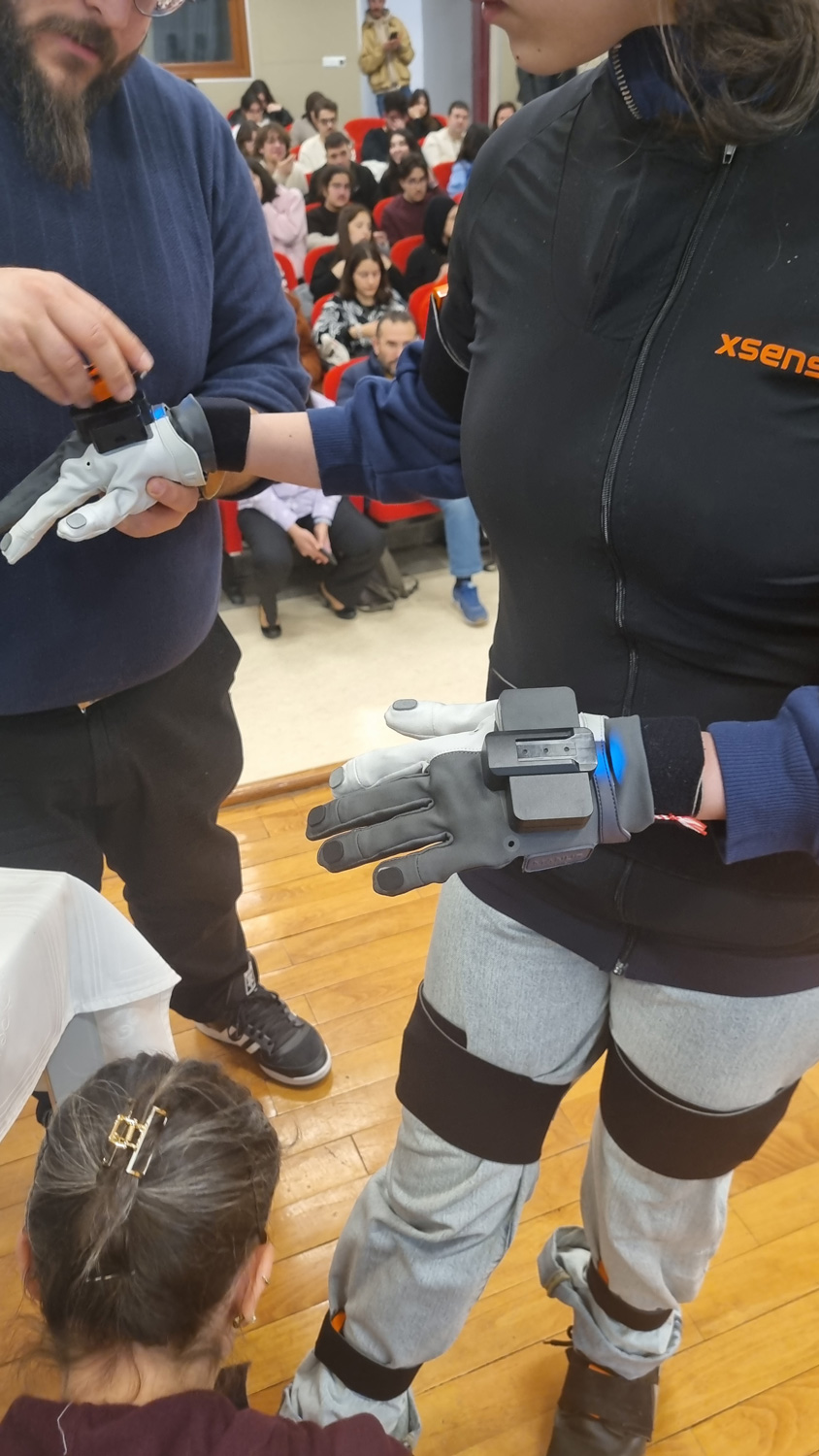
Ancak hareket yalnızca büyük kas gruplarından ibaret değildir. Özellikle parmak hareketleri ve ince motor beceriler, animasyon üretiminde en zor alanlardan birini oluşturur. Bu noktada Manus eldivenleri devreye girer. Parmakların tek tek hareketini yakalayabilen bu sistem, karakterin inandırıcılığını ciddi biçimde artırır. Benzer şekilde yüz mimiklerinin aktarımı için kullanılan Faceware gibi sistemler, karaktere duygu katmanı ekler. Burada dikkat çekici olan şey, bu teknolojilerin hiçbirinin tek başına anlamlı olmamasıdır. Hareket yakalama, parçalı bir teknoloji değil; bütünleşik bir üretim sürecidir. Vücut, el ve yüz verileri ancak birlikte işlendiğinde gerçekçi bir sonuç ortaya çıkar.
Vücut hareket yakalama sistemi
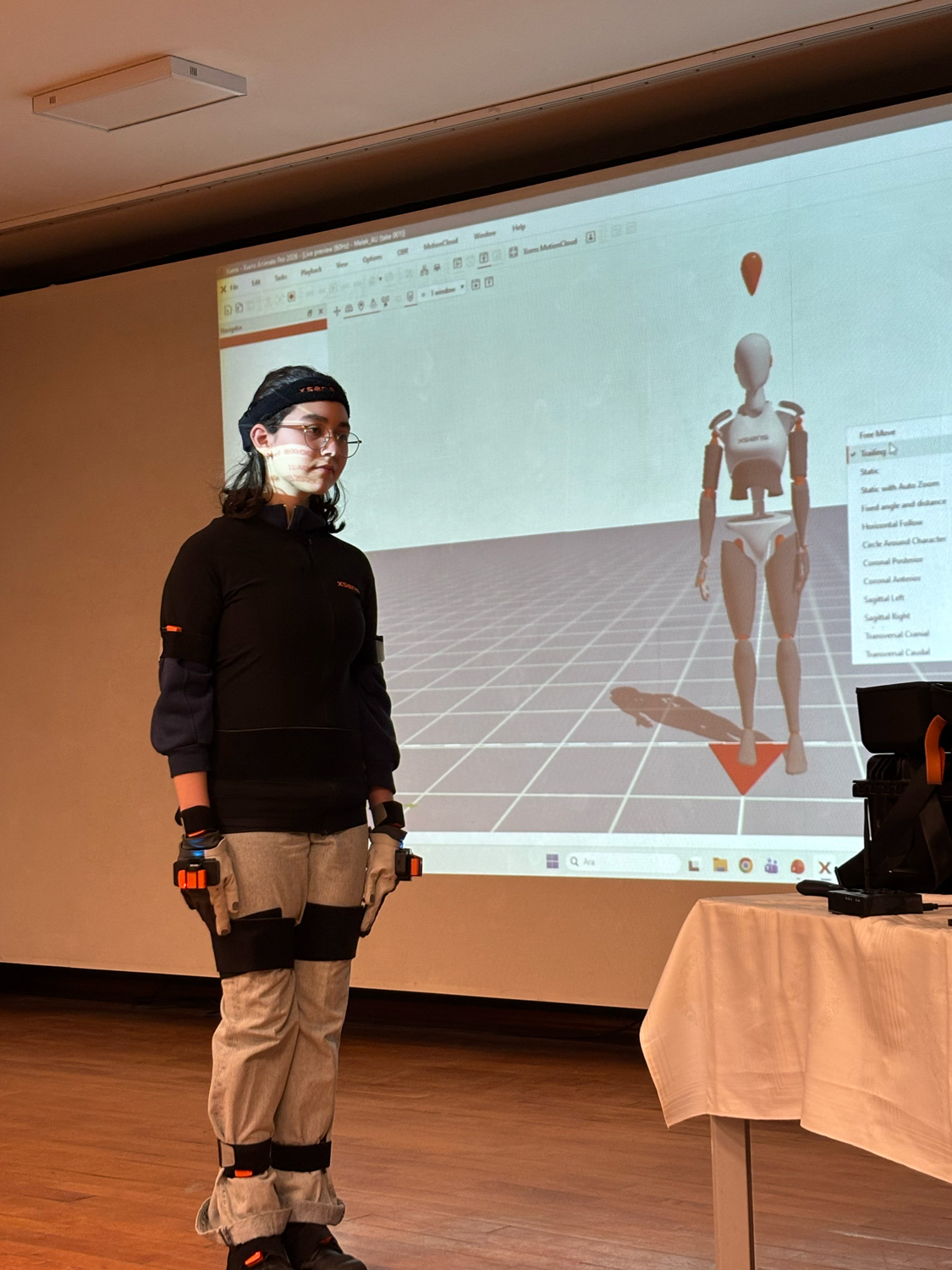
Xsens (Movella) tam vücut hareket yakalama sisteminde standart olarak 17 adet kablosuz IMU (Inertial Measurement Unit) sensörü kullanılır. Bu sensörler, insan iskelet yapısının biyomekanik verisini en doğru şekilde dijitalleştirmek için stratejik eklem ve kemik segmentleri üzerine yerleştirilir.
Sensörlerin Vücuttaki Dağılımı
Neden 17 Sensör?
Bu 17 nokta, insan vücudundaki temel eklem rotasyonlarını ve segment hareketlerini matematiksel olarak hesaplamak için gereken minimum veri setini sağlar. Sensörler birbirleriyle kablosuz olarak haberleşir ve her birinin ivmeölçer, jiroskop ve manyetometre verileri birleşerek dijital karakterin (avatar) “iskeletini” oluşturur.
Kurulum sırasında bu sensörlerin doğru kemik segmentine paralel yerleştirilmesi, yazının başında bahsettiğimiz o “doğal hareket” verisinin kalitesini doğrudan etkiler.
Kurulum sırasında bu sensörlerin doğru kemik segmentine paralel yerleştirilmesi, yazının başında bahsettiğimiz o “doğal hareket” verisinin kalitesini doğrudan etkiler.
Donanımların açıklaması için fotoğraf üzerindeki mavi düğmelere tıklayın.
Optik tabanlı sistemler ile hareketin veriye dönüşmesi
Optik tabanlı sistemler ise bu ekosistemin başka bir boyutunu temsil eder. OptiTrack gibi sistemler, kızılötesi kameralar aracılığıyla çalışır ve yalnızca insan bedenini değil, nesneleri ve farklı varlıkları da takip edebilir. Bu da özellikle büyük ölçekli prodüksiyonlarda, karmaşık sahnelerin kurulmasını mümkün kılar. Böylece hareket yakalama teknolojileri yalnızca bireysel performansın değil, mekânsal ilişkilerin de veri haline getirildiği bir alana dönüşür.
Teknik anlatımın ardından gerçekleştirilen canlı uygulama, bu sistemlerin nasıl çalıştığını somutlaştıran en güçlü anlardan biriydi. Gönüllü bir katılımcıya sensörler yerleştirildikten sonra başlayan kalibrasyon süreci, aslında sistemin “öğrenme” aşaması olarak düşünülebilir. Katılımcının T-duruşu pozisyonu almasıyla birlikte sistem, vücudun oranlarını tanımlar; ardından yapılan kısa yürüyüşle birlikte hareketin dinamik yapısını kavrar. Bu iki aşama, sistemin yalnızca bir bedeni değil, o bedene özgü hareket biçimini anlamasını sağlar. Kalibrasyon tamamlandıktan sonra elde edilen verilerin Unreal Engine ortamına aktarılmasıyla birlikte, fiziksel hareket ile dijital karakter arasındaki eşleşme anlık olarak görünür hale gelir. Tam da bu noktada, soyut bir teknoloji anlatımı, izlenebilir ve deneyimlenebilir bir gerçekliğe dönüşür.
Etkinliğin belki de en önemli çıktılarından biri, bu teknolojilerin Türkiye’deki konumuna dair yapılan değerlendirmeydi. Burada altı çizilen temel mesele, donanım eksikliğinden çok, bu sistemleri etkin biçimde kullanabilecek insan kaynağının sınırlı olmasıydı. Oysa hareket yakalama teknolojileri oyun, sinema, animasyon ve genişleyen XR alanı için giderek daha merkezi bir rol üstleniyor. Bu nedenle bu sistemlere üniversite düzeyinde aşinalık kazanmak, sadece teknik bir beceri değil, aynı zamanda bir teknolojik hakimiyet anlamını taşıyor.
Sonuç olarak hareket yakalama teknolojileri, yalnızca bir üretim aracı olarak değil, insan hareketinin veriye dönüştürülmesi üzerinden çalışan çok katmanlı bir sistem olarak düşünülmelidir. Bu sistemleri anlamak, dijital karakterlerin nasıl üretildiğini kavramanın ötesinde, günümüz yaratıcı endüstrilerinin nasıl işlediğini anlamak açısından da kritik bir önem taşımaktadır.
Bu yazı, 12 Mart 2026 tarihinde 9. NETlab Yeni Medya Araştırmaları Laboratuvarı Teknoloji Seminerleri kapsamında düzenlenen “Motion Capture” atölyesinde Hasret Cem Biçer ve Satış Sorumlusu Gözde Yahya’nın aktardığı teknik bilgiler ve sektörel gözlemler temel alınarak Cafer Bayrak, E. Şafak Dikmen ve Nilüfer Pınar Kılıç tarafından hazırlanmıştır. Görsel ve yazılı içerik üretiminde, farklı yapay zeka araçalarından yararlanılmıştır.
Katkılarından dolayı; Sence4motion ekibine teşekkür ederiz.
#Motion Capture #Herket Yakalam #Dijital Oyun #SinemaTeknolojileri #NETlab #AnkaraÜniversitesi #UnrealEngine
Legal Notice:
© 2026 Ergin Şafak Dikmen. All rights reserved. Copying, reproducing, or publishing the text, images, and materials on this site in other media for commercial or non-commercial purposes without permission is strictly prohibited.