

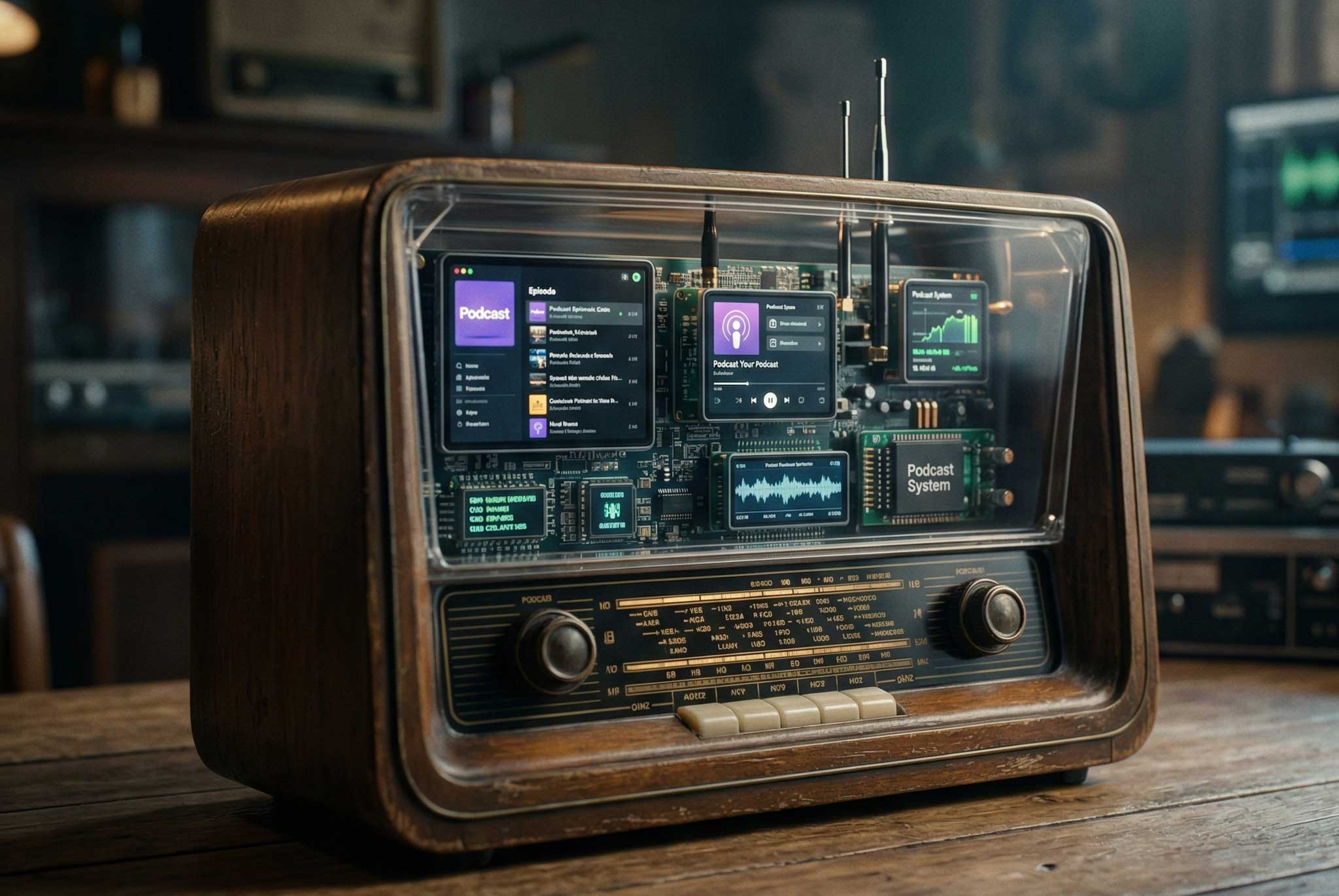
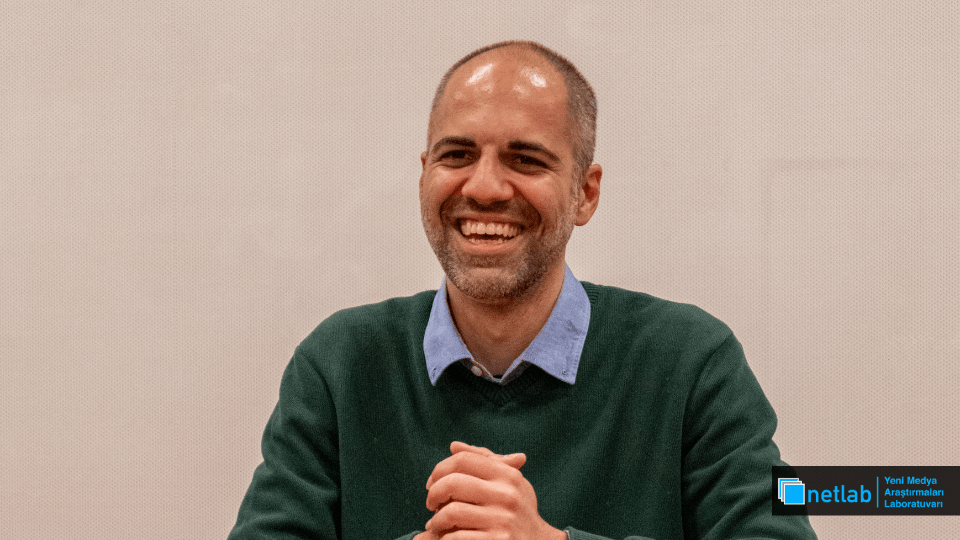
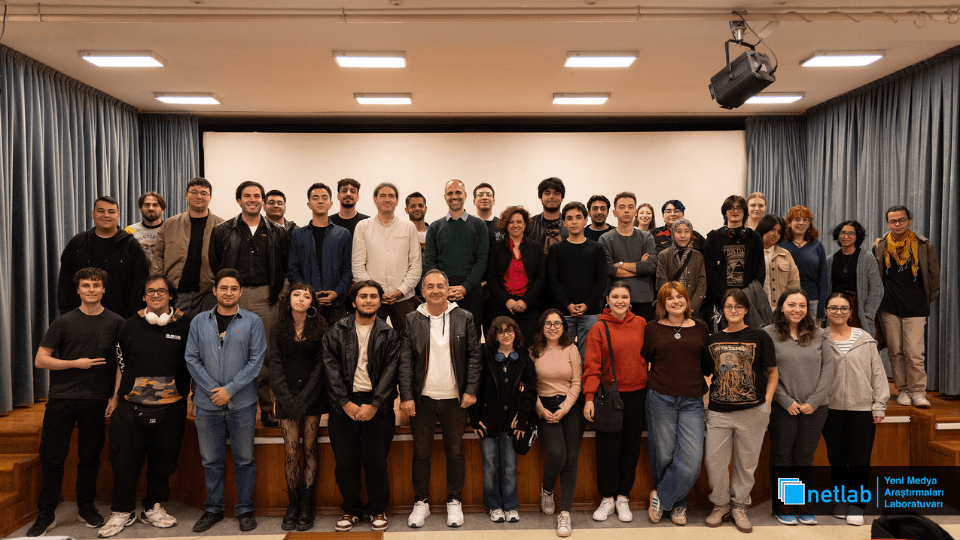
Geleneksel medyanın en köklü araçlarından biri olan radyo, internet ve dijital teknolojilerin yaygınlaşmasıyla birlikte yalnızca bir mecra olmaktan çıkarak çok katmanlı bir ses ekosistemine dönüşmüş durumda. NETlab kapsamında gerçekleştirilen etkinlikte konuğumuz olan radyocu ve ses prodüktörü Yiğit Karaca Pehlivanlı, radyonun tarihsel işlevinden günümüzün dijital yayıncılığına uzanan bu dönüşümü hem teknik altyapısı hem de kişisel deneyimi üzerinden ele aldı. Bu dönüşüm, yalnızca bir teknolojik yenilenme değil; aynı zamanda sesin üretim, dağıtım ve tüketim biçimlerinin yeniden tanımlanması anlamına geliyor.
Radyonun Büyüsü: Frekans Üzerinden Kurulan Kişisel Bağ
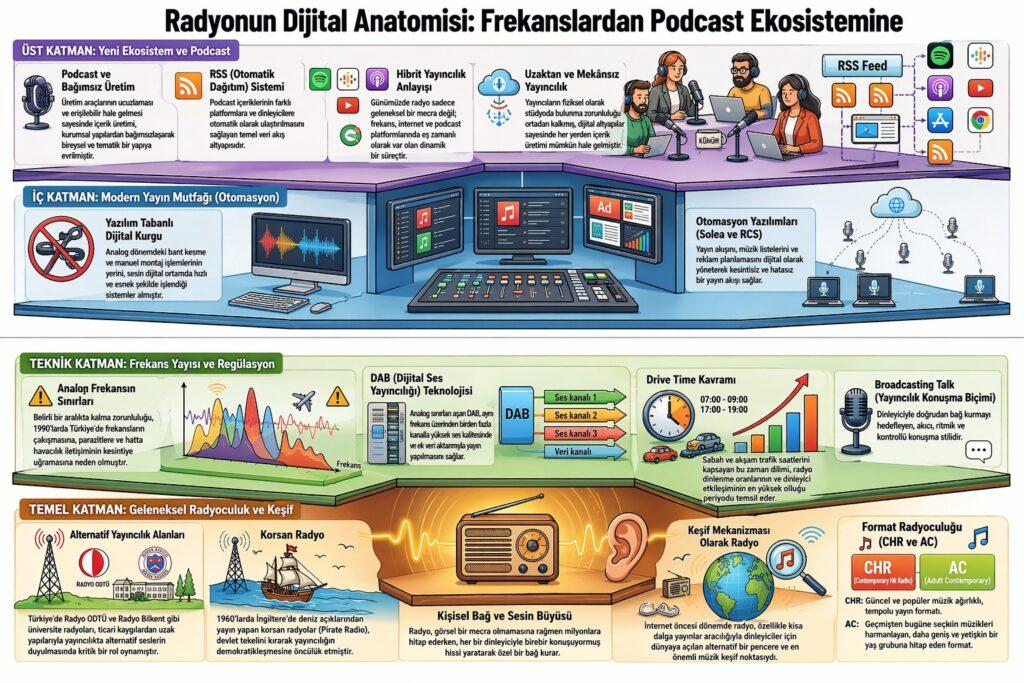
Radyo, doğası gereği görsel olmayan bir mecra olmasına rağmen, dinleyiciyle kurduğu ilişki açısından son derece güçlü bir deneyim sunar. Bu deneyimin temelinde, sesin yarattığı özelleşmiş iletişim hissi bulunur. Milyonlara yapılan bir yayın, dinleyici tarafından çoğu zaman bireysel bir hitap olarak algılanır.
İnternet öncesi dönemde bu etki çok daha belirgindi. Müzik keşfi büyük ölçüde radyo üzerinden gerçekleşir, alternatif kaynaklara erişim oldukça sınırlı kalırdı. TRT’nin tek kanal olduğu yıllarda farklı müzik türlerine ulaşmak çoğu zaman mümkün değildi. Bu noktada kısa dalga üzerinden yayın yapan uluslararası radyolar, dinleyiciler için alternatif bir pencere işlevi görüyordu.
Radyo bu anlamda yalnızca bir eğlence aracı değil; aynı zamanda bir keşif ve yön bulma mekanizmasıydı. Dinleyici, hem müziği hem de dünyayı radyonun sunduğu perspektif üzerinden tanıyordu.
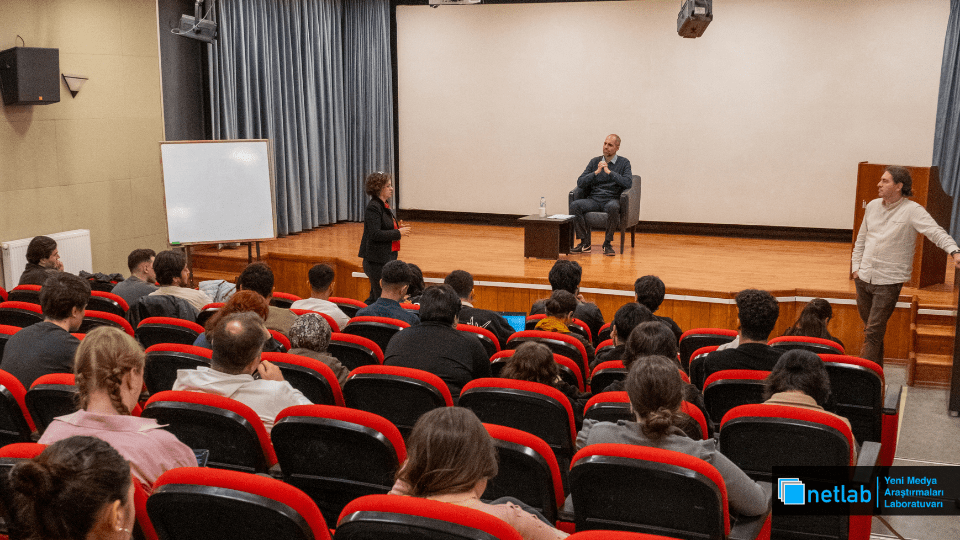
Alternatif Yayıncılık Alanları: Üniversite ve Korsan Radyolar
Radyonun gelişiminde yalnızca kurumsal yayıncılık değil, alternatif üretim alanları da belirleyici olmuştur. Özellikle üniversite radyoları, bu alanın en önemli bileşenlerinden biridir.
Amerika’da tarım fakültelerinin bilgi aktarım ihtiyacından doğan kolej radyoları, zamanla gençlik kültürünün üretildiği alanlara dönüşmüştür. Türkiye’de ise Radyo ODTÜ, Radyo Bilkent ve Radyo İLEF (https://radyoilef.ankara.edu.tr/) gibi örnekler, yayıncılığın pratik olarak öğrenildiği önemli deneyim alanları oluşturmuştur.
Bunun yanı sıra 1960’larda İngiltere’de ortaya çıkan korsan radyo kültürü*, yayıncılığın demokratikleşmesinde kritik bir rol oynamıştır. Denizden yapılan yayınlarla ana akımın dışında kalan müzik türleri ve alternatif fikirler dolaşıma girmiştir. Bu yapı, radyonun yalnızca teknik bir araç değil, aynı zamanda kültürel bir mücadele alanı olduğunu da gösterir.
Frekansın Sınırları: Teknik Sorunlar ve Regülasyon Eksikliği
Radyo yayıncılığı temelde frekans üzerinden işler ve bu yapı, belirli teknik sınırlamaları beraberinde getirir. Analog sistemde her yayıncının belirli bir frekans aralığında kalması gerekir. Bu sınır aşıldığında yayınlar birbirine karışır ve sistemde parazit oluşur.
Türkiye’de 1990’lı yıllarda özel radyoların hızla çoğalmasıyla birlikte bu durum ciddi bir probleme dönüşmüştür. Regülasyon eksikliği nedeniyle yayıncılar verici güçlerini artırmış, frekanslar çakışmaya başlamış ve teknik bir kaos ortamı oluşmuştur.
Bu süreç yalnızca yayın kalitesini değil, farklı iletişim sistemlerini de etkilemiştir. Frekansın kontrolsüz kullanımı, havacılık iletişimlerine kadar uzanan riskler yaratmıştır. Aynı dönemde radyoların kapatılmasına karşı gelişen toplumsal tepkiler, medyanın kamusal önemini açıkça ortaya koymuştur.
Dijitalleşme: DAB ve Yayıncılığın Yeni Altyapısı
Analog sistemlerin sınırları, radyonun dijitalleşme sürecini hızlandıran en önemli faktörlerden biri olmuştur. Bu noktada öne çıkan teknolojilerden biri DAB (Digital Audio Broadcasting) sistemidir.
DAB teknolojisi, radyo yayıncılığını yalnızca teknik olarak geliştirmekle kalmaz; aynı zamanda yeni bir yayın mantığı sunar. Aynı frekans üzerinden birden fazla kanalın yayın yapabilmesi, ses kalitesinin artması ve dinleyiciye ek veri sunulabilmesi bu sistemin temel avantajlarıdır.
Avrupa’da yaygın olarak kullanılan bu sistem, Türkiye’de henüz kurumsal bir altyapıya kavuşmuş değildir. Dijital frekans ihalelerinin yapılmamış olması, bu dönüşümün gecikmesine neden olmaktadır. Bu durum, Türkiye’de radyonun hâlâ büyük ölçüde analog frekans yapısına bağlı kalmasına yol açmaktadır.
*En bilinen örnek Radio Caroline, 1964’te Kuzey Denizi’nden yayına girdi. 1967’de Marine Broadcasting Offences Act ile yasaklandı.
Yayıncılığın Dönüşümü: Analog Üretimden Otomasyon Sistemlerine
Radyonun dönüşümü yalnızca yayın biçiminde değil, üretim süreçlerinde de kendini gösterir.
Analog dönemde yayın üretimi fiziksel müdahale gerektiren, zaman alıcı ve teknik olarak sınırlı bir süreçti. Bant kesme, CD değiştirme ve manuel kurgu gibi işlemler, yayıncılığın temel pratikleri arasında yer alıyordu.
Günümüzde ise bu süreç büyük ölçüde dijital sistemler üzerinden yürütülmektedir:
- Otomasyon Sistemleri: Yayın akışını önceden planlayarak kesintisiz bir yayın sağlar.
- Yazılım Tabanlı Kurgu: Ses düzenleme ve miksaj işlemleri dijital ortamda hızlı ve esnek şekilde yapılabilir.
- Uzaktan Yayın İmkânı: Yayıncı fiziksel olarak stüdyoda bulunmasa bile içerik yayına girebilir.
Türkiye’de bu alanda RCS gibi uluslararası yazılımların yanı sıra, yerel ihtiyaçlara göre geliştirilen Solea gibi sistemler de yaygın olarak kullanılmaktadır.
Podcast Ekosistemi: Yayının Mekânsızlaşması
Podcast, başlangıçta radyo içeriklerinin sonradan dinlenmesi için ortaya çıkmış bir yapıydı. Ancak zamanla bağımsız bir üretim alanına dönüşerek kendi ekosistemini oluşturdu.
Bu dönüşümün temelinde, üretim araçlarının erişilebilir hale gelmesi ve dağıtım kanallarının çeşitlenmesi yer alır. Podcast sayesinde içerik üretimi kurumsal yapılardan bağımsız hale gelmiş, bireysel üreticiler kendi yayınlarını oluşturabilir hale gelmiştir.
Ancak bu özgürlük, beraberinde içerik yoğunluğunu da getirmiştir. Bu nedenle başarılı bir podcast üretimi için:
- Belirli bir tema etrafında içerik üretmek,
- Süreklilik sağlamak,
- Kendine özgü bir anlatım dili geliştirmek
kritik hale gelmiştir.
Bugün radyo, podcast ve dijital platformlar birbirini dışlayan değil, birbirini tamamlayan yapılar olarak birlikte var olmaktadır.

Yiğit Karaca Pehlivanlı
Sonuç: Radyo Bir Mecra Değil, Süreçtir
Radyonun geçirdiği dönüşüm, yalnızca teknik bir değişim olarak ele alınamaz. Bu süreç, aynı zamanda sesin üretiminden tüketimine kadar uzanan bütünsel bir yeniden yapılanmayı ifade eder.
Radyo bugün frekansta, internet ortamında ve podcast platformlarında eş zamanlı olarak varlığını sürdüren hibrit bir yapıya dönüşmüştür. Bu durum, radyonun ortadan kalktığını değil; aksine farklı formlarda yeniden üretildiğini gösterir.
Bu nedenle radyoyu sabit bir mecra olarak değil, değişen teknolojilere adapte olan dinamik bir süreç olarak düşünmek gerekir.
Bu yazı, İlef RTS programı “Ses ve Görüntüde Temel Kavramlar” (E. Şafak Dikmen & Burcu Sümer) dersinde yürütülen tartışmalar ve Yiğit Karaca Pehlivanlı sunumunda aktardığı teknik veriler, sektörel analizler ve profesyonel deneyimler temel alınarak Şafak Dikmen ve Cafer Bayrak tarafından hazırlanmıştır. Görsel ve yazılı içerik üretiminde, farklı yapay zeka araçlarından yararlanılmıştır.
Ankara Üniversitesi Radyo İlef’i dinlemek için: https://radyoilef.ankara.edu.tr/
Tags: #Radyo #DAB #Yayıncılık #AlternatifYayıncılık #Frekans #NETlab #İLEF